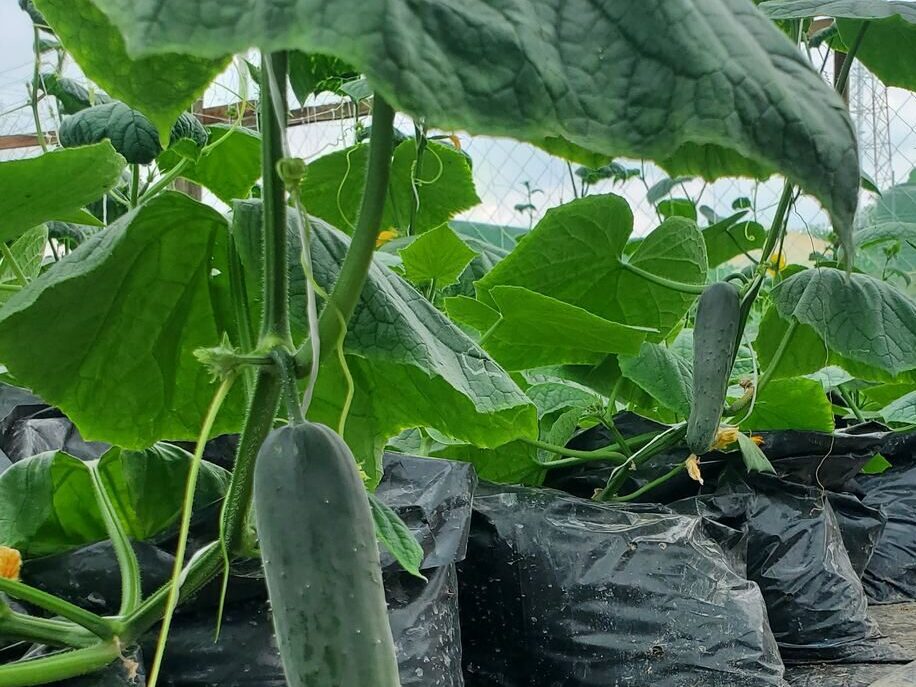
Your Crop doesn’t lose its value at the point of sale. It loses it long before, usually without anyone noticing
Here’s an uncomfortable truth we’ve had to learn on our own farm: a harvest is not a finish line. It’s the start of a short, fragile window where every decision either protects what you grew or quietly erodes it.
Walk through any farm on a good harvest day and you’ll feel the relief. The baskets are full, the vines are heavy, the scale keeps climbing. But that relief can be misleading. What happens in the hours and days after picking is often what decides whether that harvest becomes real income or a quiet, forgettable loss.
We’ve watched it happen with our own habanero peppers: a strong harvest, handled carelessly for just one extra day, loses a buyer that a well-timed one would have kept. So we started paying closer attention to the decisions in between. Here are the six decisions that matter most.
“A crop rarely loses its value at the market. It loses it earlier in a delay, a bruise, a day without proper storage.”
1. Timing: Knowing exactly when it’s ready
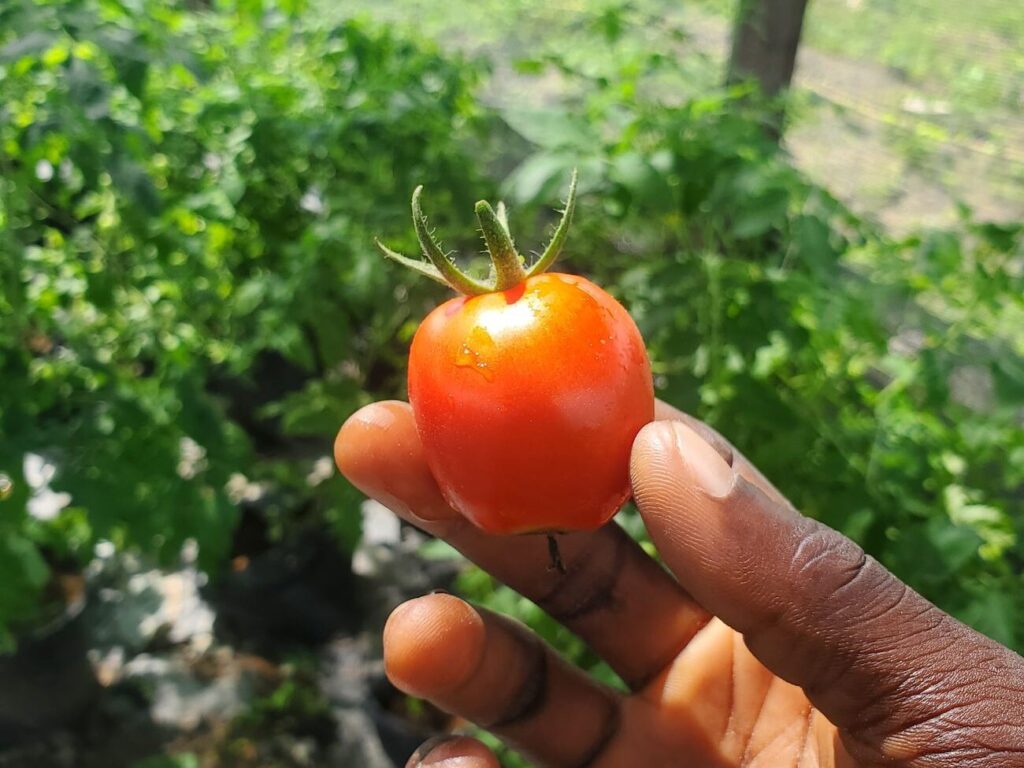
Harvest too early and the fruit never develops its full flavor or shelf life. Harvest too late and you’re racing spoilage before you’ve even left the field. The right moment is usually narrower than people assume and it’s different for every crop. On our farm, this means someone is checking the plants daily, not on a fixed weekly schedule. A tomato doesn’t wait for your calendar.
2. Handling: How gently it’s actually touched
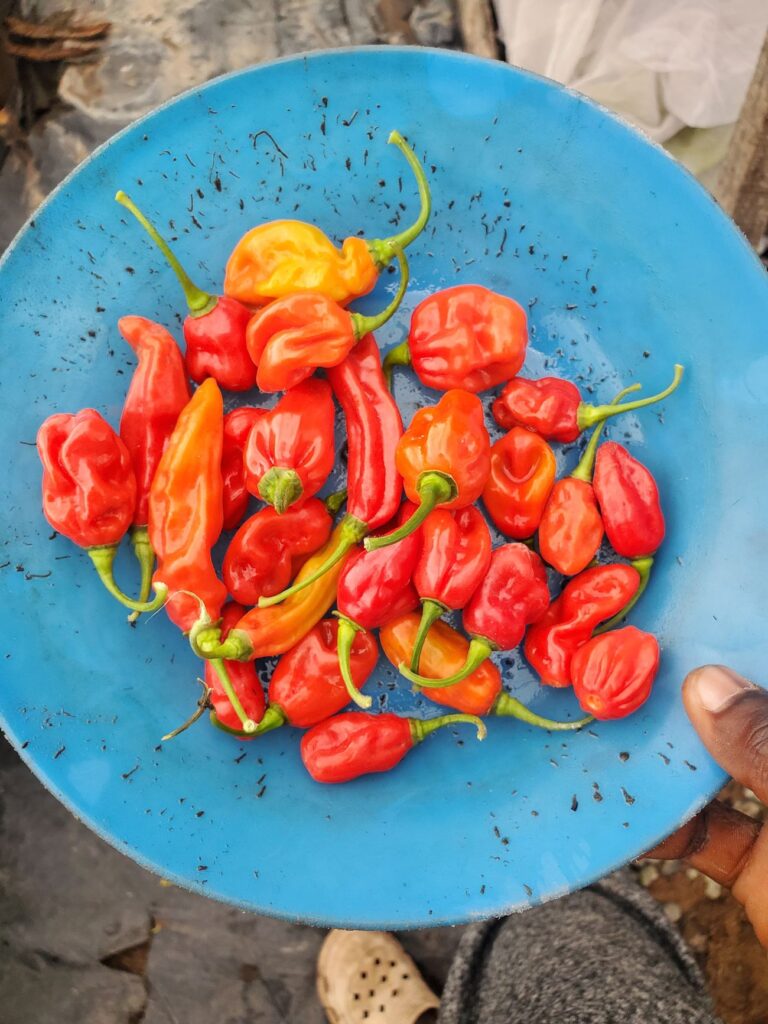
A bruise doesn’t always show up immediately. It shows up two days later, as a soft spot a buyer rejects. Rough handling is invisible damage, you only discover it once it’s already cost you.
We sort as we pick: anything nicked or overripe is separated immediately, not left to be noticed at the point of sale.
3. Storage: Where it waits and for how long
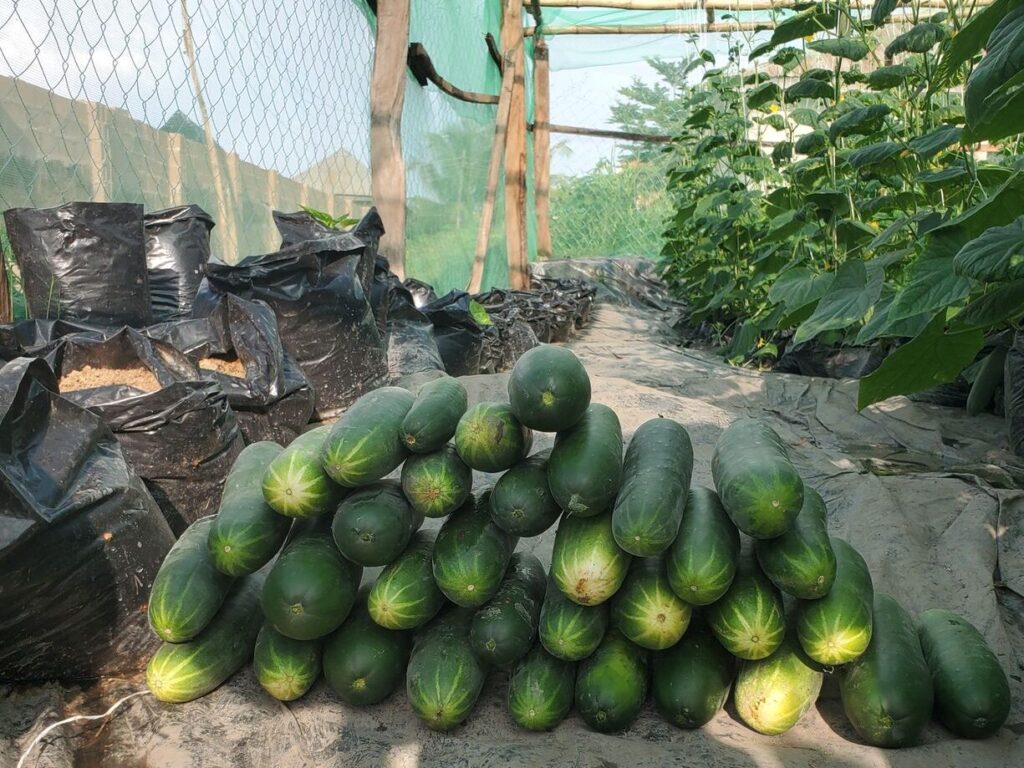
Produce left in direct sun or stacked without airflow, starts losing quality within hours before it looks spoiled. Shade and airflow are not optional extras. They’re the difference between a harvest that holds its value for two days and one that holds it for six hours.
A full basket in the sun can look identical to a full basket in the shade. It won’t stay that way.
A question worth sitting with: if your harvest sat exactly where it is right now for six more hours, would it still be sellable at full price? If you hesitated, storage is probably your weakest link.
4. Transport: How it actually moves
Every extra handoff, every rough road, every hour in a hot vehicle is another chance for value to quietly disappear. The shortest path is usually the safest path. It’s worth mapping, literally, how your produce moves from the point it’s picked to the point it’s sold and removing every unnecessary step in between.
5. Information: Who actually knows it’s coming
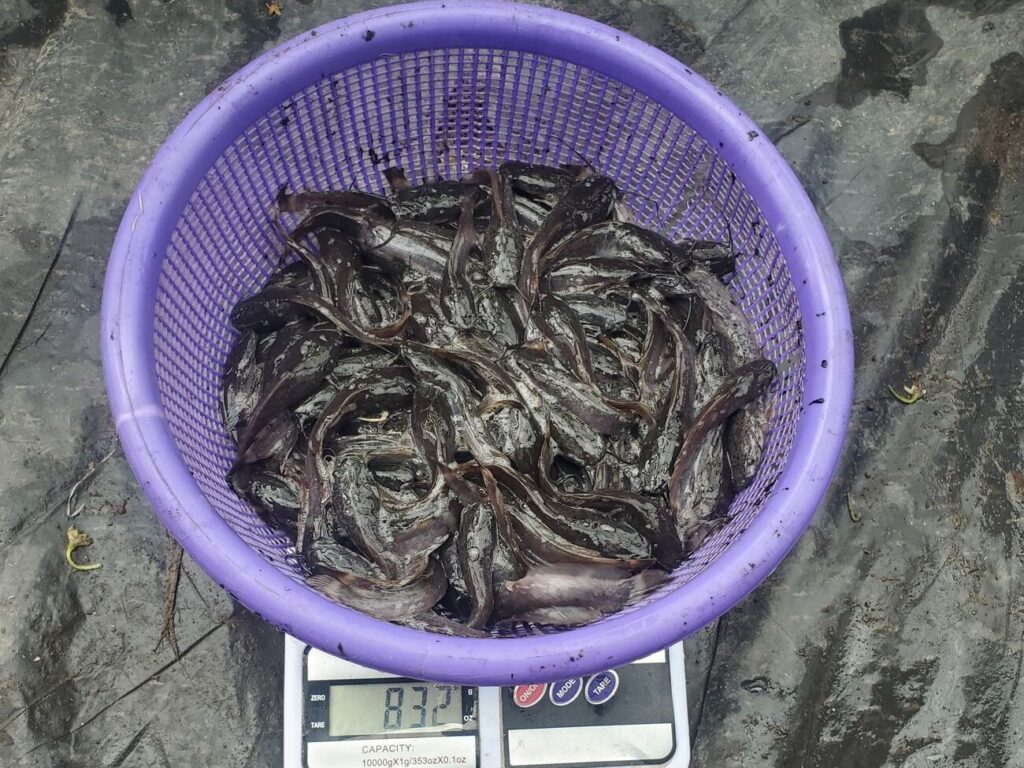
A harvest that no buyer is expecting is a harvest competing for attention at the last minute. Weighing, recording and communicating early turns a surprise delivery into a planned one and planned deliveries get better prices.
Something as simple as a number on a scale, shared ahead of time, changes the negotiation entirely.
6. Market match: The right buyer, at the right time
Not every buyer wants the same thing, at the same time, at the same price. Selling fast to the wrong buyer can lose more value than selling a day later to the right one. Matching your harvest to demand rather than offloading it to whoever’s closest is the final decision that locks in (or loses) everything the first five protected.
Quick Check List
- I check for harvest readiness daily, not on a fixed schedule
- I sort out damaged or overripe produce at the point of picking
- My harvest always has shade and airflow while it waits
- I’ve mapped the shortest, safest route from field to buyer
- I tell buyers what’s coming before it arrives
- I match each harvest to the buyer who actually wants it
Common Questions
Which of these six decisions matters the most?
Honestly, none of them works in isolation. A perfectly timed harvest can still be ruined by bad storage; perfect storage can’t save a crop that was handled roughly at picking. Treat it as a chain, it’s only as strong as its weakest link.
Do smallholder farmers need to think about these six?
Yes, scale changes the tools, not the principles. A smallholder won’t need a fleet of refrigerated trucks, but shade, timing and clear communication with a buyer cost nothing and protect value just as effectively as they do on a larger farm.
How does HVC apply these across cucumbers, tomatoes and peppers.
The six decisions stay the same, but the details shift by product. Peppers and tomatoes are mostly about gentle handling and shade; fish are mostly about timing and information, since weight and freshness change by the hour, not the day.
This is what “Infinite Possibilities” looks like in practice. Not just growing more, protecting what you’ve already grown.